
Stock Up Smart: Buy Bulk Ammo for Unbeatable Savings and Reliable Supply
Bulk ammo simply means purchasing cartridges in large quantities, often packed in loose boxes or cases, rather than in small retail packages. This approach lets you stock up on the exact caliber and load you regularly practice with, so you always have a steady supply ready for the range. Because you buy more at once, you spend less per round, which eases the financial strain of frequent shooting sessions. For anyone who values consistency and preparedness, it’s a .32 Win Special Ammo for Sale practical way to ensure your training never has to pause due to an empty ammo can.
Why Buying in Volume Actually Saves You Money
Buying bulk ammo cuts the per-round cost significantly because manufacturing, packaging, and shipping overhead are spread across more units, and retailers pass those savings on to you. Cases of 500 or 1,000 rounds routinely cost 15–25% less per cartridge than individual boxes, which directly lowers your training or match fees over a season. You also pay one flat shipping fee instead of multiple small-order charges, and you avoid the “panic pricing” spikes that hit single boxes during shortages—your stash insulates you from price jumps. Volume buying also reduces trips to the store, saving gas and time, and lets you lock in a consistent lot for uniform accuracy. That said, the real savings only materialize if you actually shoot through the stock before your storage conditions degrade the primers and powder. Plan your annual round count, buy once, and your cost-per-trigger-pull drops measurably.
How Per-Round Cost Drops as Case Size Goes Up
The per-round price decline follows a predictable curve as packaging scales from 50-round boxes to 1,000-round cases. Manufacturers reduce unit overhead by cutting packaging labor, freight per cartridge, and dealer handling fees on larger SKUs. For 6.5x57R Ammo for Sale example, a 20-round box might cost $0.80 per round, while a 200-round case often sits near $0.65, and a 1,000-round case can drop to $0.50. This happens because fixed costs—like mold setup and box printing—spread across more units, and shipping weight becomes more efficient per projectile. Bulk ammo pricing tiers show the steepest savings between 100 and 500 rounds, then flatten slightly. You pay less for logistics, not less for quality, as case size increases.
Per-round cost drops because fixed manufacturing and shipping expenses spread thinner over larger case sizes, with the sharpest savings seen between 100 and 500 rounds.
Hidden Fees That Quietly Inflate Small-Box Prices
Buying ammo in small boxes hides a web of costs that bulk pricing strips away. Per-round shipping fees multiply with every lightweight order, while small-quantity purchases miss the flat-rate freight thresholds bulk orders clear. You also pay for excessive packaging—each little box adds cardboard and void fill that raises dimensional weight. Furthermore, small boxes often lack the manufacturer rebates or case discounts reserved for full cartons. These charges inflate your true cost-per-round by 15–25% without appearing on the shelf tag. Hidden fees that quietly inflate small-box prices vanish when you consolidate: one shipping charge, one handling fee, one package footprint. The strategy is simple:
- Add only full cases to your cart
- Apply a single flat-rate shipping tier
- Divide total invoice (including tax) by total rounds
That final figure reveals bulk’s real savings—small boxes rarely survive the comparison.
When Bulk Pricing Becomes a False Economy
Bulk ammo pricing only pays off if you actually shoot through your stash before it becomes a liability. Buying 5,000 rounds of a corrosive-primed surplus load to save $0.05 per round turns into a false economy when you factor in deep-cleaning solvents, barrel wear, and misfires from aged stock. Likewise, snapping up a pallet of an unfamiliar brand to hit the “free shipping” threshold backfires if your firearm jams on the feed lips. **The real cost per round includes storage conditions, rotation discipline, and functional reliability.** Ask yourself: *“When does bulk pricing become a false economy?”* — When the savings per box are erased by humidity-damaged primers, squib loads, or a caliber you no longer train with. If you aren’t shooting monthly, buy half the case and invest the difference in range time.

How to Match a Large-Quantity Order to Your Specific Firearm
Matching a bulk ammo order to your specific firearm starts with verifying the caliber and cartridge designation stamped on the barrel, not just the box label. For large-quantity purchases, cross-reference the exact load specifications—bullet weight, grain, and pressure rating—against your owner’s manual, since a 5.56 NATO firearm can safely fire .223 Remington, but the reverse is dangerous. Check the bullet type (FMJ, hollow point, or soft point) against your gun’s twist rate and feed ramp; a 1:7 twist handles heavy 77-grain rounds, while a 1:12 prefers lighter 55-grain loads for accuracy. For pistols, confirm OAL (overall length) and case profile to prevent feeding failures across thousands of rounds. Always fire a small test batch of the exact bulk lot before committing to full-case storage, as lot variations in powder and primer hardness can alter ejection patterns and point-of-impact.
Caliber, Grain Weight, and Bullet Type: Why They Matter in Bulk
When you buy bulk ammo, locking in the right caliber, grain weight, and bullet type isn’t a minor detail—it’s the difference between a flawless range day and a frustrating malfunction. The caliber must match your firearm’s barrel and chamber exactly, but grain weight alters recoil and velocity, 6.5×55 Swedish Ammo for Sale so a 115-grain 9mm feels snappier than a 147-grain subsonic. Bullet type dictates terminal behavior: full metal jackets feed reliably for training, hollow points expand for defense, and frangible rounds shatter on steel targets. In bulk, consistency matters—every box must cycle, group, and impact identically. To choose correctly:
- Verify your firearm’s stamped caliber (e.g., .223 Rem vs. 5.56 NATO pressure differences).
- Test 50-round samples of candidate grain weights at your typical distance.
- Select bullet type based on your primary use, not price per round.
Mismatched bulk lots waste money and risk barrel obstructions or feed failures. Match all three variables to your gun’s specs, and your bulk investment delivers predictable accuracy shot after shot.
Reading Lot Numbers to Keep Your Supply Consistent
When buying bulk ammo, reading the lot number printed on the case or box is your safeguard for consistency. Manufacturers assign a unique lot code to rounds produced on the same line, under identical component and pressure specifications. Before committing to a large-quantity order, verify https://specialtysportsandsupplyltd.com/ that every case shares the same lot number; mixing lots can introduce subtle variations in velocity, point of impact, and recoil. For match-grade accuracy, request a single continuous lot across your entire purchase, then note that number on your inventory log. If you need to reorder, referencing the original lot helps your supplier pull an identical run. This practice ensures your firearm’s zero holds true from the first box to the last, which is especially critical for consistent bulk ammo performance across extended sessions. Storing a lot-number record alongside your ammo simplifies future matching.

What to Do When Your Gun Prefers One Lot Over Another
When your firearm shoots one bulk lot tighter than another, first document the lot number on the box and the corresponding group size at your zero distance. Keep that lot segregated for precision work, and re-zero your optic if you switch to a different lot, since point of impact may shift. For practice or competition where absolute accuracy matters less, burn through the less-preferred lot first. If the preferred lot is critical, buy the entire remaining batch from your dealer, but verify it shares the same headstamp and manufacturing date code. Matching bulk ammo lots to your firearm also means testing a sample from every new case before committing to it.
Q: What do I do if my gun prefers one lot but I already mixed it with another?
A: Separate the remaining rounds by lot number if possible, or shoot the mixed supply in training only, and reserve your best-performing lot for matches or defensive use.
Smart Storage Tactics That Keep Hundreds of Rounds Reliable
For bulk ammo, 6.5x57mm Mauser Ammo for Sale smart storage tactics that keep hundreds of rounds reliable start with absolute desiccation and airtight, impact-resistant cases. Rotating stock by lot and date, using silica gel canisters inside sealed 50-cal cans, and adding a thin oil film to brass prevents corrosion at the primer pocket—the exact failure point for misfires. Stacking cans off concrete floors on wooden pallets, in a climate-stable closet, avoids thermal cycling that sweats cartridges.
Never mix batches; a single compromised lot can jam a session, but disciplined separation and first-in, first-out labeling guarantee every round you grab performs as new.
Finally, spot-check a few primers monthly and reseal after each inspection—moisture is the only enemy that turns hundreds of stored rounds into a box of duds.
Protecting Your Investment From Humidity, Heat, and Corrosion
Protecting your investment from humidity, heat, and corrosion starts with a stable, low-moisture environment. Store bulk ammo off concrete floors and inside sealed, airtight ammo cans with desiccant packs to absorb residual moisture. Keep the storage area below 70°F, avoiding attics or garages where temperature swings cause condensation inside packaging. Apply a light coat of corrosion inhibitor to exposed metal cases, especially if you handle cartridges frequently. Prioritize moisture control over all other factors because humidity triggers primer and case corrosion faster than heat alone. Follow this sequence:
- Air-seal bulk ammo in original or heavy-duty polymer boxes.
- Add silica gel desiccant, then replace it every six months.
- Store in a cool, dark closet or basement shelf, never directly on cement.
- Inspect rotated stock quarterly for verdigris or .35 Remington Ammo for Sale rust spots, wiping affected rounds with a dry cloth.
How to Rotate Stock So You Always Shoot the Oldest First
To ensure you always shoot the oldest first, adopt a **first-in, first-out rotation system** at the case level. Write the purchase date in permanent marker on each box or can, then store new arrivals behind existing stock so the front position always holds the oldest rounds. When you head to the range, pull exclusively from the front row or shelf, and immediately shift the next-oldest batch into that prime spot. For loose ammo in bulk containers, decant and label the original purchase date on the new bin, then pour fresh lots on top—but always reach to the bottom or back when loading mags. Check dates quarterly to catch any forgotten deep-storage boxes before they age unnecessarily.
Setting Up a Simple Ammo Inventory System at Home
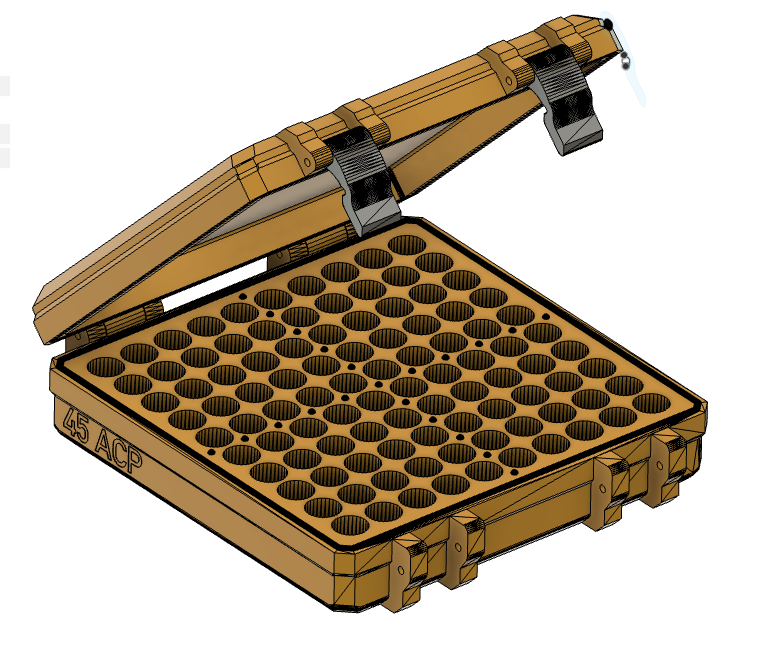
For bulk ammo, a simple inventory system prevents both shortages and dangerous overstocking. Start with a dry-erase board or a spreadsheet listing caliber, round count, and purchase date. Dedicate one shelf per caliber and attach a laminated tag with the current total; update it after every range trip. Use a “first-in, first-out” rule, marking older boxes with a permanent dot so you shoot them before newer stock. This makes tracking bulk ammo consumption effortless. The key is consistency, not complexity: a weekly five-minute count of each labeled Ammunition for Sale bin prevents guesswork. Rotating stock this way protects primers and powder from age-related degradation, keeping hundreds of rounds ready while knowing exactly what you have at a glance.
Practical Ways to Use a High-Volume Supply Without Waste
To avoid waste with bulk ammo, rotate your stock by shooting the oldest lot first, keeping a simple log of purchase dates. Break your supply into dedicated training groups—for example, 500 rounds for zeroing, 1,000 for drills—so you never burn through everything on a single range day. Store opened boxes in sealed ammo cans with desiccant, then cycle those into your next session.
Shoot a few rounds from every new case to confirm lot consistency before relying on it for competition or defense.
Finally, use partial boxes for function-testing after cleaning, and reserve the bulk for high-volume drills like reloads and transitions, which turns surplus into skill rather than wasted brass.
Structuring Range Sessions for Effective High-Round-Count Drills
To turn bulk ammo into actual skill, structure range sessions around a repeating .32 ACP Ammo for Sale block of three drills rather than one long, exhausting string. Break a 300-round outing into ten 30-round cycles, each beginning with a slow precision ladder to re-establish sight alignment, then a speed shoot to push cadence, and finishing with a transition drill between two targets. This forces consistent technique under fatigue without cementing sloppy reps. Log your split times every fifth cycle to spot when your form degrades, then stop that specific drill and switch to a movement-based exercise. Blocked repetition with deliberate rest prevents wasted ammunition and turns each case into measurable progress. Rotate target distances every few cycles so your brain stays engaged, keeping every round purposeful and every mag dump a building block.
How to Chronograph and Test Different Batches Efficiently
To test different batches efficiently, chronograph a representative sample—ten rounds per box, fired from a clean, fixed rest—before committing to a case. Log velocity spread and standard deviation for each lot number, then compare the data side-by-side in a simple spreadsheet. If two batches show overlapping extreme spreads, combine them in the same magazine for a practical function check, but keep the chronograph numbers tied to the batch’s physical label. For rapid triage, shoot five rounds from the first and last boxes of a pallet; consistent averages between those extremes imply uniform lot behavior, letting you skip mid-stack testing without losing accuracy data.
Recycling Boxes, Trays, and Strippers to Cut Clutter
Instead of letting empty ammo boxes, plastic trays, and spent strippers pile up, turn them into a system that actively shrinks your range-day footprint. Repurpose sturdy 50-round boxes as permanent storage for loose components, while trays can be inverted to create stackable dividers inside larger bins, and strippers become perfect spacers for separating caliber-specific loads in a drawer. This approach transforms waste into tactical clutter control, .338 Lapua Ammo for Sale keeping your bench usable and your inventory visible at a glance. For bulk buyers, this means the packaging becomes part of your organization, not just trash waiting to happen.
- Use trays as nested layers in ammo cans to prevent brass-on-brass rattling.
- Cut stripper rails into labeled 6.8 SPC Ammo for Sale keychain tags or shelf edge markers.
- Stack box lids flat to build a free, modular sorting grid for reloading sessions.
Common Questions About Buying and Shooting in Large Quantities
When buying bulk ammo, a common question is whether the per-round savings justify the upfront cost—bulk ammo typically reduces price by 10–30%, but only if you actually shoot through it before storage degrades it. Another frequent concern is how to store large quantities safely; keep it in a cool, dry place in original packaging or airtight ammo cans to prevent moisture damage. Shooters also ask if bulk rounds have the same accuracy as boxed loads—for practice, yes, since most bulk ammo is factory-new, though it may be less consistent than premium match lines. Finally, you might wonder how long bulk ammo lasts; properly stored, it can last decades, but rotate stock by using the oldest first.
If you shoot more than a few hundred rounds monthly, bulk buying pays off—but never purchase more than you can realistically use within two years.
Rotating inventory prevents age-related misfires.
Is It Better to Split One Big Order or Buy Multiple Smaller Ones?
Splitting one big order into multiple smaller ones primarily affects per-round cost and inventory continuity. A single large purchase typically secures the best price-per-round, as shipping and handling fees are amortized over a greater quantity, whereas smaller orders multiply these fixed costs. However, multiple smaller purchases allow you to stagger expenses and adapt to fluctuating availability, reducing the risk of being locked into a single lot if a defect emerges. The real trade-off hinges on your storage capacity and cash flow, not just the sticker price. For steady shooters, one big order is usually superior, but for those with limited space, splitting into two or three medium batches offers a practical balance between savings and flexibility without sacrificing bulk ammo benefits.
How Long Does Sealed Ammo Actually Stay Usable?
Sealed ammunition, particularly in factory packaging, typically remains usable for **decades rather than years** when stored correctly. The primer and powder are the most vulnerable components; moisture and temperature swings accelerate their degradation. A sealed box with intact waterproofing, kept in a stable environment below 75°F with low humidity, can retain reliable ignition and ballistics for 20 to 30 years or more. However, the seal itself is not indefinite—corrosion can creep in through crimped case mouths or damaged primers over time. Rotating stock by decade, not season, is prudent for bulk buyers. Long-term ammunition storage viability depends on the initial seal quality and ambient conditions, not a fixed expiration date.
Q: How Long Does Sealed Ammo Actually Stay Usable?
A: With proper storage, expect 20–30 years of dependable function; beyond that, test a few rounds before trusting the lot.
What’s the Fastest Way to Inspect a Delivery for Damage or Defects?
The fastest way to inspect a bulk ammo delivery is to spot-check the outermost boxes and case corners before opening anything, looking for crushed cardboard or moisture stains that signal impact or water damage. Then, open one box per case at random and quickly fan the top layer of cartridges, scanning for corroded primers, dented casings, or loose bullets. Tilt the tray to see if any rounds rattle—loose projectiles indicate setback. Finally, weigh or count every tenth box to confirm quantities match the invoice, but skip full visual inspection of every round unless packaging shows obvious trauma. This layered approach takes under ninety seconds per case.
Inspect packaging first, then random-box fan checks, then weight-count verification—never examine every round unless packaging shows damage.
Comments are closed