

The 5 dragons pokie combines familiar slot mechanics with a themed presentation, but understanding how it works matters more than the artwork. This 5 Dragons slot game guide explains how to inspect the paytable, assess stake settings, interpret symbols and features, and set sensible limits before playing. The aim is not to predict results or present the game as a source of income. Instead, it gives adult Australian players a practical framework for making informed, recreational decisions.
Start with the paytable, not the dragon artwork
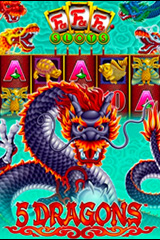
The first useful step is opening the game’s paytable or information panel. This should show the winning symbols, the number of matching symbols required, the applicable paylines or ways to win, and any special icons. The visual theme may suggest a particular style of play, but only the paytable tells you what combinations actually count. Check whether wins must land from left to right, whether they can appear anywhere, and whether several wins can be awarded on one spin.
Pay attention to the difference between a regular symbol, a wild, a scatter and a bonus symbol. A wild may substitute for ordinary symbols, although it might not replace every special icon. A scatter may trigger a feature without appearing on a conventional payline. These rules vary between games, so do not rely on assumptions from another dragon-themed pokie. Also check whether a symbol’s displayed value applies to two, three, four or five matching positions, as the increase is not necessarily linear.
The paytable may also disclose the game’s return-to-player percentage, volatility or maximum win, although not every interface displays all of these details prominently. RTP is a long-run mathematical figure, not a forecast for one session. Volatility describes how frequently and how dramatically results may vary, but labels such as low, medium or high are not perfectly standardised. Treat these details as context for budgeting rather than as a reason to increase your stake.
How do paylines and stake controls affect a spin?
Before pressing spin, identify which controls alter the total wager. Some pokies use a fixed number of paylines with an adjustable coin value; others allow the player to change lines, ways or the total bet directly. A displayed amount such as $1 may mean the stake for the whole spin, but it can also represent a unit value multiplied across selected lines. Read the labels carefully and confirm the final wager shown on screen.
A simple example illustrates why this matters. If a game uses 20 lines and the value per line is 5 cents, the total stake is $1 per spin. Increasing the line value to 10 cents makes the total $2, even though the number of lines has not changed. If the interface offers several stake presets, write down the total cost of ten spins at each setting. This turns an abstract button choice into a clear spending decision.
Do not assume that choosing more lines improves the underlying odds or makes a winning spin due. It usually changes the cost of each spin and may allow more combinations to qualify, but every result remains determined by the game’s random outcome system. If you are using a balance limit, choose the stake from that limit first. For example, a $30 entertainment budget should determine the affordable number of spins, not the other way around.
Read special features without treating them as promises
Dragon-themed pokies often use feature language such as free spins, multipliers, expanding symbols or bonus rounds. The important question is not how exciting a feature sounds, but what conditions activate it and how its award is calculated. Look for requirements such as a minimum number of scatter symbols, a specific symbol combination or a feature entry that occurs only on eligible reels. The paytable or help screen should provide the definitive explanation.
Free spins do not automatically mean free money. They still produce random outcomes, and their value may depend on the symbols, multipliers or rules that apply during the feature. A multiplier might affect only selected wins, while an expanding symbol might work on particular reels or for one spin. Likewise, a jackpot-style label may describe a possible prize category rather than a guaranteed award. Avoid building a budget around reaching a feature.
It is also wise to distinguish game rules from operator settings. The software may define the available bet range and feature mechanics, while the gambling service determines matters such as account access, transaction arrangements and any applicable restrictions. Those details should be checked independently before depositing. For safer-play information, Australia’s Gambling Help Online service provides confidential support and practical guidance for people concerned about their gambling.
Use volatility and RTP as planning information
RTP is commonly expressed as a percentage representing the theoretical amount returned over a very large number of plays. An RTP of 96%, for example, does not mean a player receives $96 back after wagering $100 in a short session. Individual results can be much higher or lower, and the figure does not specify when wins will occur. It is best viewed as a mathematical property of the game, not a personal target.
Volatility helps describe the pattern behind results. A higher-volatility game may produce longer quiet periods interrupted by larger wins, while a lower-volatility game may produce smaller outcomes more regularly. Neither profile removes the house edge or makes a result more predictable. If swings make you uncomfortable, a lower stake is generally more useful than chasing a particular volatility label, especially when the game’s classification is not clearly explained.
Use these concepts to set expectations, not to develop betting systems. Increasing a stake after losses, changing denominations because a symbol has not appeared, or stopping only after recovering a deficit are forms of outcome-based thinking. A practical approach is to choose a fixed session amount, decide how long you will play, and stop when either limit is reached. Never treat a previous loss as evidence that a win is now more likely.
Set a session plan before opening the reels
A sensible plan has three parts: a money limit, a time limit and a stopping rule. The money limit should be an amount you can lose without affecting rent, bills, food, savings or other obligations. The time limit prevents a short recreational activity from expanding unnoticed. A stopping rule might be finishing when the budget is gone, when the planned time ends, or when you feel distracted, frustrated or tempted to chase losses.
Keep the stake consistent unless your written plan says otherwise. Chasing often begins with a small adjustment: increasing the bet to recover a disappointing run, depositing again after reaching the original limit, or continuing because a bonus round seems close. These decisions can make the session more expensive without improving the probability of the next result. Avoid gambling with borrowed money, and do not combine play with alcohol or decisions made under pressure.
Finally, review the session honestly rather than judging it only by the final balance. Record the amount spent, the time used and whether the activity felt controlled. If gambling is becoming difficult to stop, interfering with relationships or finances, or occupying more attention than intended, take a break and seek support. A pokie should remain optional entertainment; if it no longer feels optional, stopping is the most useful decision.
Questions players commonly ask about 5 Dragons
Is the 5 Dragons pokie based on skill?
No. Like other pokies, its outcomes are generated by chance rather than by timing the button, selecting a particular reel position or recognising a winning pattern. Reading the paytable can help you understand the rules and control your spending, but it cannot influence the random result of an individual spin or guarantee a particular feature.
What should I check before playing?
Check the total stake per spin, eligible paylines or win ways, symbol requirements, special-feature rules, available limits and the game’s displayed mathematical information. Confirm that the amount fits within a pre-set entertainment budget. Also verify the applicable account and legal conditions through the service providing the game, rather than assuming they are identical everywhere.
Can a losing run mean a win is due?
No. Previous spins do not create an obligation for the next spin to win. Random outcomes can include long sequences that feel unusual, but that does not change the probability of the following result. Increasing your stake after losses is chasing, not a strategy. Keep your limits fixed and stop if you feel pressure to recover money.
Comments are closed